
Why Cameron Highlands is worth your visit
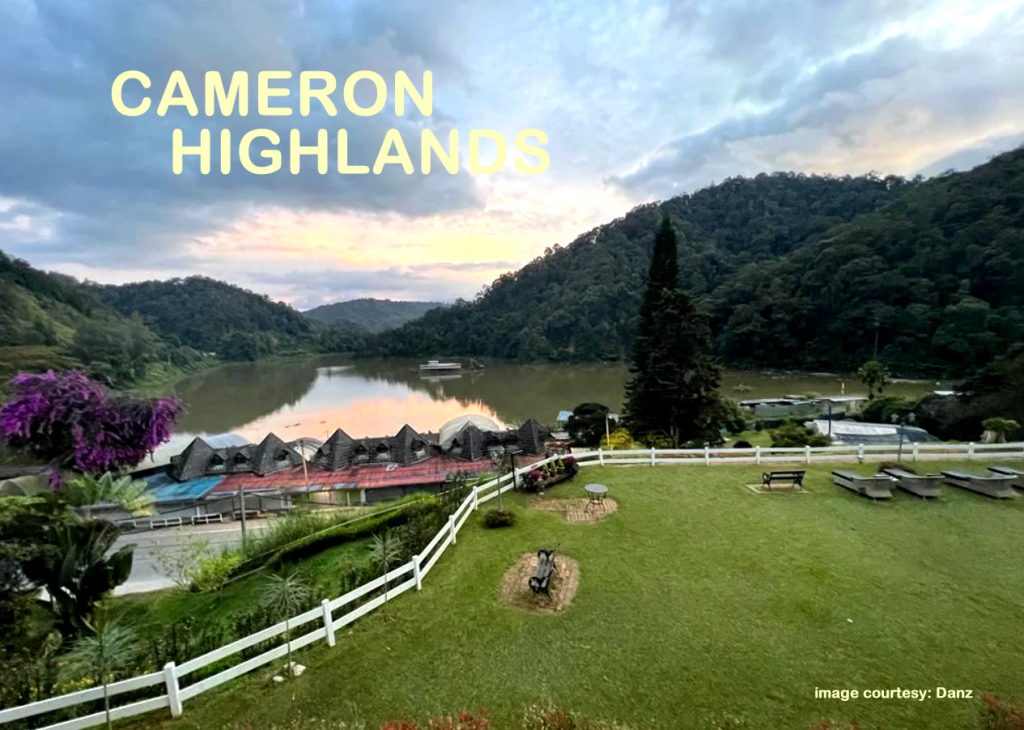
Visit the favourite tourism Malaysia highlands; the Cameron Highlands is one of the best highlands to go for a relaxing getaway break. There may be many highlands around for tourism Malaysia. However Cameron Highlands is still favoured because of the relaxing mood and an easy going atmosphere. It still retains some of the colonial charm of yesteryears, while the soothing greens of tea plantation and farming community and the surrounding montane forest gives one a very relaxing place to kick back, spread your hands wide and breath in deep the nice cool fresh air of the highlands.
Visit the favourite tourism Malaysia highlands; the Cameron Highlands is one of the best highlands to go for a relaxing getaway break. There may be many highlands around for tourism Malaysia. However Cameron Highlands is still favoured because of the relaxing mood and an easy going atmosphere. It still retains some of the colonial charm of yesteryears, while the soothing greens of tea plantation and farming community and the surrounding montane forest gives one a very relaxing place to kick back, spread your hands wide and breath in deep the nice cool fresh air of the highlands.
Cameron Highlands may be a little off the road from the main North-South highway in Malaysia. The well maintained road though may be winding, is not that difficult to handle. The moment you hit the winding road up with the jungle and forest with the sheer hills slope all around, you could immediately feel the soothing effect of the lush greenery.
At approximately 1,600m from sea level, the air is very much cooler than the lowlands. It is favoured among the Malaysians and Singaporeans as a getaway from the hustle and bustle of city life. A chance to head back to nature and yet still have access to amenities. A chance to have a cooler climate, away from the hot humid tropical heat without the use of any artificial air-conditioning. Yes, the naturally cool air and greenery draws in holiday makers whenever chance permits.
Cameron Highlands was discovered some one hundred years ago by William Cameron. It has since been develop into one of the main vegetable producers in Malaysia. Coupled with the popular Boh Tea Plantation and Bharat Tea Plantation, it is a natural draw for both local and overseas tourist alike.
There may be other highlands in Malaysia, most notably Genting Highlands with its bright lights, casinos and amusement park, the very quiet of Fraser’s Hill, and the simple Maxwell Hill (Bukit Larut) and of course the Colmar Tropicale, a replica of the French Town in Berjaya Hills. However Cameron Highlands is still one of the favourites.
So come and explore Cameron Highlands and find out more about sights and attractions, where you can go for meals, for outdoor adventures and perhaps not doing much might be more like your kind of activity, then sit back and relax and go for day spa Malaysia or some foot and body massage. With so many things to do, there is no shortage of what one’s want to do.
So welcome to Cameron Highlands and bid you welcome to this website where you can find the most extensive information about this favourite tourism Malaysia highlands travel destination!
Trip to Cameron Highlands
It’s been awhile since I posted anything on my main Cameron Highlands Destination website. Time to get more info about Cameron Highlands. So tomorrow after I’ve done all my work, I’ll be off to good old CH for some updated info. I’m going alone this time coz my wife is expecting and not so good to come along. Beside, I’ll be going for some jungle trekking and hopefully the whether is good and can get to see the famous Rafflesia flower.
Here’s looking forward for a trip to Cameron Highlands!
Cheers!
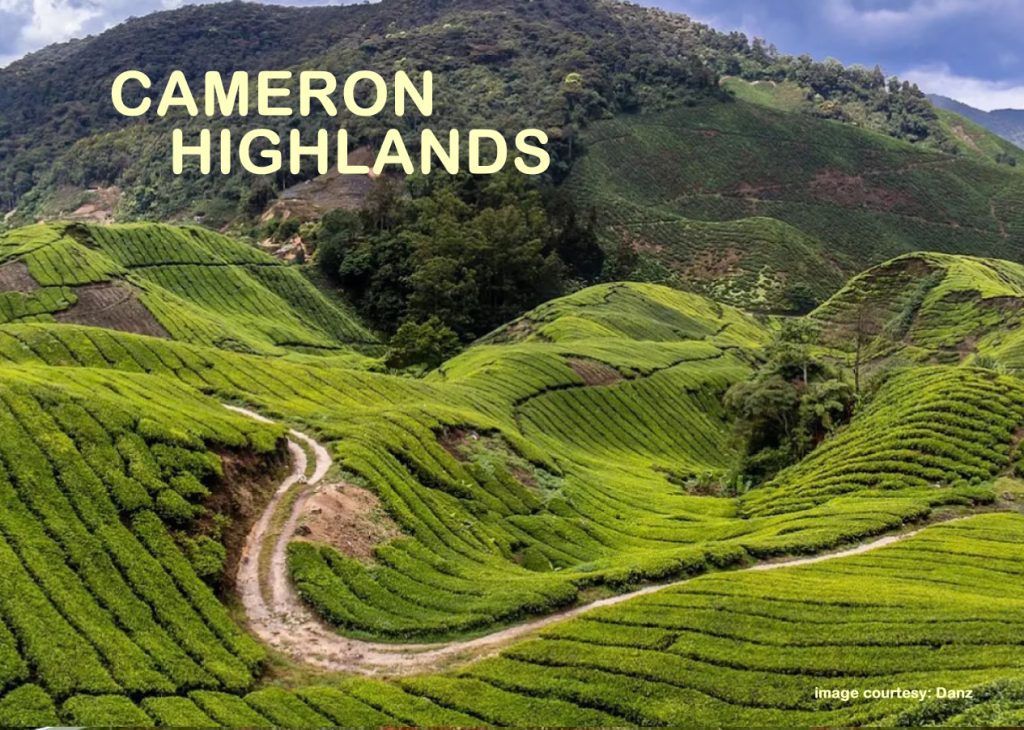
Never Been To Cameron Highlands? Here’s What Nobody Tells You Before Your First Trip
Most first-timers arrive with two expectations: it will be cold, and there will be strawberries. Both are true, and both are the least useful things to know.
What actually shapes your trip is the road, the traffic, and which town you picked to sleep in. Get those three right and everything else falls into place.
Where It Is And How Long It Takes
Cameron Highlands sits in Pahang, about 1,500 metres above sea level, roughly four hours from Kuala Lumpur and two from Ipoh in normal conditions.
The words “normal conditions” are doing heavy lifting. On a holiday weekend, that four-hour drive can stretch to six or seven hours, most of it crawling uphill.
Two Roads Up, And They Are Not Equal
- From Tapah via Route 59 — the old southern route, narrow and packed with bends
- From Simpang Pulai via Route 185 — newer, wider and far gentler on passengers
- Anyone in your car who gets motion sick should take Simpang Pulai, no debate
- Go up one way and down the other, and you see twice as much
- Fill the tank before the climb and check your brakes before the descent
How Cold Is It, Really?
Temperatures sit roughly between 15°C and 25°C year round. Cold by Malaysian standards, mild by anyone else’s.
The number undersells it, though. Wind and damp make mornings and evenings feel sharper than the thermometer suggests, particularly if you’ve just come from the lowlands.
What To Pack
- A light jacket or hoodie for mornings and evenings
- Long sleeves and trousers for daytime; shorts are fine when the sun is out
- Proper walking shoes, not flip-flops, since farm paths get muddy
- A foldable poncho or small umbrella, because afternoon showers are common
- Lip balm and moisturiser, as the cool dry air is harsh on skin
- Cash, since many market stalls and small shops don’t take cards
When To Go, And When To Avoid
The driest windows are February to April and June to August. Clear skies, open trails and tea plantations at their best.
October to January brings the northeast monsoon. The forests look spectacular, but daily downpours turn trails to mud and some routes close entirely.
The Traffic Calendar Matters More Than The Weather
Labour Day, National Day, school holidays and festive long weekends are the worst times to make the drive. When these fall on a Friday or Monday, the jam becomes the story of your trip.
What You’ll Actually Do There
There is no single must-see landmark. The appeal is a cluster of easy, low-effort activities you drift between.
- Tea plantations — free factory tours and valley views, the most rewarding stop for most visitors
- Strawberry farms — picking, smoothies and jam; better value buying ready-picked fruit
- The Mossy Forest — the most distinctive landscape here, but private cars can no longer enter, so you’ll need a guided jeep
- Markets at Kea Farm for vegetables, corn and flowers straight from growers
- Steamboat dinners, which taste better in cold air than they have any right to
- Bee farms, butterfly gardens and flower parks for families with young children
Do You Need A Car?
Strongly recommended. Attractions are spread along the corridor and public transport between towns is limited. Without one, you’re relying on taxis or organised tours.
Practical Things First-Timers Get Wrong
Booking One Night
Two nights is the sweet spot. With one night, you spend more time driving than relaxing, and you arrive too tired to enjoy the first evening.
Shopping On Arrival Day
Buy vegetables and strawberries on your way out, not on the way in. Produce bought on day one wilts in a hotel room while you’re out sightseeing.
Underestimating How Early Things Close
Outside Brinchang and Tanah Rata, most kitchens shut by mid-evening. Plan dinner early unless you’re based in one of those two towns.
Expecting A Polished Resort Town
It isn’t one. Buildings are dated, traffic is messy and some attractions are underwhelming. What it delivers instead is cool air, cheap food and a genuine slowdown a few hours from home.
The Short Version
Drive up via Simpang Pulai if you can, stay two nights in Brinchang or Tanah Rata, go on a weekday, pack layers, and don’t try to see everything.
First-timers who plan around traffic rather than attractions almost always enjoy it more. The road is half the trip, whether you want it to be or not.
Six Towns, One Mountain Road: A Practical Guide to the Townships of Cameron Highlands
Cameron Highlands is not a single town but a chain of settlements strung along Federal Route 59. Each one has a different job, and knowing which is which changes where you stay.
Entering from Tapah in Perak, the road climbs through Ringlet, Tanah Rata, Brinchang, Kea Farm and Tringkap before reaching Kampung Raja and exiting toward Simpang Pulai.
This guide walks that sequence in order, covering what each town offers, what it lacks, and how roads, traffic and transport connect them.
Understanding the Layout Before You Book
Almost everything in Cameron Highlands sits on one road. That simplicity is useful for planning, but it also means a single bottleneck can hold up the whole corridor.
The Two Entry Routes
- From Tapah via Federal Route 59, the older and more winding southern approach.
- From Simpang Pulai via Route 185, a newer, wider and gentler climb from the north.
- Route 59 continues through every township, acting as the district’s main street.
- Most visitors enter from one end and exit the other rather than doubling back.
- Driving times between towns are short in distance but long in practice, because of gradients and bends.
When Traffic Gets Difficult
Weekends, school holidays and festive periods bring heavy congestion, particularly through Brinchang and at the Kea Farm market stretch where roadside parking narrows the road.
Ringlet: The First Stop
Ringlet is the first township visitors meet when entering from Tapah. Small and unhurried, it serves the surrounding community and passing travellers rather than tourists.
It has a handful of shops, eateries and basic amenities. Most drivers pause briefly, then continue upward, since it is roughly 20 minutes further to Tanah Rata.
What Works Here
- Quiet and uncrowded, even during peak holiday weekends.
- Useful for a rest stop, fuel or a quick meal after the climb.
- Accommodation tends to be cheaper than in the main towns.
- Closest township to the Tapah entry, so less driving on arrival day.
- Less exposed to the tour bus circuit than towns further up.
What Doesn’t
- Few attractions, so you’ll drive daily to reach farms and markets.
- Limited dining choices, with most outlets closing early.
- Noticeably warmer than the higher townships.
- Basic shopping and limited banking or medical facilities.
- Poor fit for travellers without their own transport.
Tanah Rata: The Administrative and Transport Hub
Tanah Rata is the main town of Cameron Highlands and the most complete in terms of services. It functions as the district’s administrative and transport centre.
Government offices, the district hospital and the main bus terminal are all located here, which makes it the practical base for anyone arriving without a car.
Getting Around From Tanah Rata
The bus terminal handles long-distance coaches from Kuala Lumpur, Ipoh and Penang, plus local services. For first-time visitors arriving by bus, the journey effectively begins here.
The Cameron Highlands Golf Course sits about five minutes away, and Brinchang is roughly 15 minutes up the road along Route 59.
What Works Here
- Best transport links in the highlands, with the main coach terminal.
- Full range of services including hospital, banks, clinics and government offices.
- Walkable town centre with cafes, restaurants and convenience shops.
- Starting point for jungle trails, including several mossy forest routes.
- Broad accommodation mix from backpacker hostels to mid-range hotels.
- Cooler and calmer than Brinchang, while still central.
What Doesn’t
- Fewer large hotels than Brinchang, so group bookings can be tight.
- Nightlife and evening activity wind down early.
- Parking in the town centre fills quickly on weekends.
- Still a drive from the main farms and markets further north.
- Some older accommodation stock in need of refurbishment.
Brinchang: The Commercial Centre
Brinchang is the most commercially active township in Cameron Highlands. It is home to Cameron Centrum, the highlands’ largest shopping mall, and a strong lineup of major hotels.
This makes it the default base for families and group travellers who want convenience on their doorstep rather than a drive to every meal.
Evenings in Brinchang
The town stays busy well into the night, with restaurants, night markets and street food stalls. Kea Farm, the most popular fresh produce market, is another 10 to 15 minutes up Route 59.
What Works Here
- Largest hotel inventory, including bigger properties suited to groups.
- Cameron Centrum brings mall shopping, chain dining and cinema-style amenities.
- Night market and street food trade run late.
- Central position between Tanah Rata and the northern farm belt.
- Strongest retail choice in the district.
- Good base for families who dislike long drives after dark.
What Doesn’t
- Worst traffic congestion in the highlands on weekends and holidays.
- Parking is genuinely difficult during peak periods.
- Busier and noisier than travellers expecting a quiet hill station may want.
- Room rates climb sharply during school holidays.
- Development density has cost the town some of its highland character.
Kea Farm: Markets and Family Attractions
Kea Farm is among the most visited stops on Route 59, known for roadside markets overflowing with highland vegetables, strawberries, flowers and corn sold directly by farm traders.
Nova Highlands, one of the most prominent new commercial developments in the highlands, sits here alongside Cameron Square, a multi-level market complex for souvenirs, snacks and local produce.
Good for Families
Children are well catered for along this stretch, with a mini zoo, butterfly farm and bee farms all within easy reach of the same length of road.
What Works Here
- Best fresh produce shopping in the highlands, bought directly from traders.
- Several family attractions clustered within a short drive.
- Newer commercial developments bringing modern retail and dining.
- Elevated position with strong highland views.
- Convenient midpoint between Brinchang and the northern towns.
What Doesn’t
- Severe roadside congestion, as parked vehicles narrow Route 59.
- Crowds peak midday, making the markets uncomfortable at busy times.
- Limited accommodation compared with Brinchang or Tanah Rata.
- Prices at tourist-facing stalls run higher than in local markets.
- Pedestrian crossing along the market stretch feels unsafe in heavy traffic.
Tringkap: The Quiet Upper Corridor
Tringkap is a small, laid-back settlement in the northern stretch. There is little beyond local eateries and shops, but that simplicity is part of its appeal.
A few minutes away is Kuala Terla, where Peony Square is located, which makes Tringkap a natural stopping point before continuing north.
What Works Here
- Genuinely quiet, with far fewer tourists than the main towns.
- Local eateries at local prices rather than tourist pricing.
- Easy access to Kuala Terla and Peony Square.
- Working farm scenery without the market crowds.
- Useful rest stop when driving the full corridor.
What Doesn’t
- Very limited amenities, shopping and accommodation.
- No real attractions within the settlement itself.
- Requires a car, as public transport here is sparse.
- Dining choices close early in the evening.
Kampung Raja: The Northern Gateway
Kampung Raja is the northernmost town and the last stop before exiting toward Simpang Pulai. It has no major tourist attractions, but a lively commercial scene keeps it active.
Farms, markets and roadside traders operate through the day, giving the town a working rhythm rather than a tourist one.
Worth Stopping For on the Way Out
- Avant Chocolate and several farm stalls along the route.
- Green View Garden, home to the Dinosaur Chocolate Exhibition.
- One of the highlands’ most popular floral and strawberry farms, minutes from town.
- Roadside traders selling produce at lower prices than the tourist markets.
- Last fuel and supplies before the descent to Simpang Pulai.
What Doesn’t Work
- Furthest from Tanah Rata and the main attraction cluster.
- Limited hotel choice, mostly small local properties.
- Few tourist facilities or English-language services.
- Impractical as a base without your own vehicle.
Choosing Where to Stay
The right township depends on how you’re travelling and what you want each day to look like.
- Arriving by bus: stay in Tanah Rata, close to the terminal and services.
- Travelling with family: Brinchang, for hotels, dining and the mall.
- Chasing farms and markets: around Kea Farm or Brinchang.
- Seeking quiet: Ringlet or the upper corridor near Tringkap.
- Exiting north: a final night near Kampung Raja saves a backtrack.
One Practical Tip
Drive the corridor early. Traffic through Brinchang and Kea Farm builds from mid-morning, and a 15-minute journey can double once the day-trip coaches arrive.
Eating Your Way Up the Mountain: A Halal and Non-Halal Food Guide to Cameron Highlands
Cameron Highlands feeds two appetites at once. Cool weather pushes visitors toward hot pots, hot drinks and fried snacks, while the farms supply strawberries, vegetables and tea at their freshest.
Food here is also split along a clear line. Some townships lean heavily halal, others are predominantly Chinese and non-halal, and knowing which is which saves a lot of driving.
This guide breaks the highlands’ food scene down by category and by halal status, with notes on where each is easiest to find.
How the Food Map Works
Before choosing a base, it helps to know how the eating options cluster along Federal Route 59.
- Tanah Rata has the widest halal choice, including Indian Muslim eateries and Malay stalls.
- Brinchang is the strongest for Chinese food, steamboat and night market snacking.
- Kea Farm is produce, snacks and market food rather than sit-down meals.
- Ringlet and the northern towns serve mostly local Malay and Chinese fare at local prices.
- Hotel restaurants in Brinchang carry the bulk of the buffet trade.
A Note on Verifying Halal Status
Halal certification changes hands and lapses. Look for the JAKIM logo displayed at the premises rather than relying on signage alone, and ask directly if you are unsure.
Breakfast
Mornings are the coldest part of the day in the highlands, which makes breakfast one of the more enjoyable meals to plan around.
Halal Options
- Roti canai and teh tarik at Indian Muslim shops, most easily found in Tanah Rata.
- Nasi lemak from morning stalls, often sold out by mid-morning.
- Mee goreng, mee rebus and lontong at Malay breakfast stalls.
- Half-boiled eggs with toast and kaya at kopitiam-style outlets.
- Hot Boh or Cameron Valley tea, grown a short drive from town.
Non-Halal Options
- Chinese kopitiam breakfasts in Brinchang, including pork noodles and wantan mee.
- Dim sum, served mainly on weekend mornings.
- Char siew and roast pork rice from older coffee shops.
- Traditional Hainanese toast sets with strong local coffee.
The Scone Tradition
The highlands’ colonial legacy shows up in scones with strawberry jam and cream, served at tea houses and farm cafes. Most tea-estate cafes operate as halal-friendly venues, but check before ordering.
Steamboat
Steamboat is the signature Cameron Highlands meal. Cold evenings and a table of simmering broth make it the one dish almost every visitor eats at least once.
What Makes It Local
The draw is the produce. Vegetables come straight from highland farms, which means crisper cabbage, sweeter corn and fresher leafy greens than most lowland steamboat restaurants manage.
Halal Steamboat
- Available mainly in Tanah Rata and Brinchang, using chicken, beef and seafood.
- Many halal outlets run a buffet format rather than à la carte.
- Tom yam and clear chicken broths are the usual base options.
- Some hotels offer halal steamboat as part of a dinner package.
- Booking ahead matters on weekends and school holidays.
Non-Halal Steamboat
- Concentrated in Brinchang, where most long-running operators are based.
- Pork, pork balls and lard-based broths are common additions.
- Charcoal steamboat is still offered at some older restaurants.
- Portions tend to be larger and better value for groups.
- Expect long waits from around 7pm on weekends.
Buffet
Buffets suit the highlands’ group and family traffic, and most are attached to hotels rather than standing alone.
Where to Find Them
Brinchang carries the most options, given its larger hotel inventory. Tanah Rata has a smaller selection, usually within mid-range hotels.
- Halal hotel buffets are the norm at properties catering to Malaysian family and corporate groups.
- Steamboat buffets are the most common format, often priced per head.
- Breakfast buffets are usually included with room bookings.
- Non-halal buffets appear mainly at Chinese restaurants offering steamboat or barbecue.
- Festive periods bring themed buffets at higher prices, so book early.
Snacks and Market Food
Snacking is arguably the main food activity in Cameron Highlands, and most of it happens standing up, at a roadside stall.
The Classics
- Steamed or grilled corn, sold hot from Kea Farm and Brinchang stalls.
- Fresh strawberries by the punnet, straight from farm traders.
- Strawberry chocolate-dipped skewers, a market staple.
- Roasted sweet potato and steamed peanuts on colder evenings.
- Fried mushrooms and vegetable fritters, using highland produce.
- Honey and bee products from the bee farms along Route 59.
Halal Considerations for Snacks
Most fresh produce, corn and strawberry items are inherently halal-friendly. Care is needed with fried snacks and sauces, where cooking oil and ingredients vary by stall.
Desserts
Dessert here is built on one ingredient. Strawberries dominate menus, appearing in almost every possible form.
Strawberry-Led Desserts
- Strawberry ice cream and soft serve at farm cafes.
- Strawberry cheesecake, tarts and crepes in town cafes.
- Fresh strawberries with cream, simple and hard to beat.
- Strawberry jam, cordial and preserves to take home.
- Chocolate-covered strawberries from market stalls.
Beyond Strawberries
- Scones with clotted cream at tea estate cafes.
- Tea-flavoured cakes and desserts made with local leaves.
- Locally made chocolate, including chocolate-themed attractions near Kampung Raja.
- Chinese tong sui and dessert soups at non-halal outlets in Brinchang.
- Apam balik and traditional kuih from Malay stalls.
Supper and Late-Night Eating
The highlands quieten down earlier than most Malaysian towns, so supper requires a little planning.
Where Late Food Survives
Brinchang runs latest, with its night market and street stalls trading well into the evening. Tanah Rata has a smaller cluster of late outlets, mainly Indian Muslim shops.
- Mamak shops in Tanah Rata are the most reliable halal late option.
- Brinchang night market stalls for grilled corn, snacks and drinks.
- Chinese tze char and steamboat restaurants serving late in Brinchang.
- Hotel cafes, which sometimes run later than standalone restaurants.
- Convenience stores for basics once kitchens close.
Plan Around Early Closing
Outside Brinchang and Tanah Rata, most kitchens shut by mid-evening. In Ringlet, Tringkap and Kampung Raja, assume dinner needs to happen early.
Drinks Worth Trying
- Highland tea served at the estates where it is grown.
- Hot Milo and local coffee, both suited to the climate.
- Fresh strawberry juice and milkshakes from farm cafes.
- Corn milk and soya, sold at markets and roadside stalls.
- Teh tarik at mamak shops, best on a cold morning.
Practical Tips for Eating Here
- Eat early on weekends. Popular steamboat restaurants fill from 7pm.
- Book hotel buffets in advance during school and festive holidays.
- Carry cash. Market stalls and smaller shops may not accept cards.
- Buy produce and strawberries on your way out, not on arrival.
- Check halal certification at the premises rather than assuming from the menu.
- Base yourself in Tanah Rata for the widest halal choice, or Brinchang for Chinese food and late dining.
Matching the Town to the Meal
If your trip revolves around food, the township you choose matters more than the hotel. Tanah Rata suits halal diners who want variety within walking distance of their room.
Brinchang suits groups after steamboat, night market snacking and late dinners. Kea Farm is a daytime stop for produce and market food rather than a base for evening meals.
My choice of Cameron Highlands Hotels & Homestay
The Cameron Highlands are home to a wide variety of flora and fauna. It is estimated that more than 700 species of plants grow here. During trekking to one of the local mount (or Gunung in Malay) you will observe the vegetation change with the elevation. The most famous plant in the highland is without doubt the Rafflesia which is native to the Cameron Highlands. The plant has no stems, leaves or true roots. It is noted for producing the largest individual flower on earth. These attract a lot of tourists and remember to be very careful around these flowers as all of the known species of Rafflesia are threatened or endangered. In addition to the vegetation, the highlands is the habitat to a large number of animals, birds, insects and reptiles. If you are lucky you may even see some monkeys (White-thighed langurs can be spotted on trail 7).
Cameron Highlands Resort
Probably the nicest place to stay in the Highlands. The resort is built around a large 1930s colonial house with modern extensions and fronts the Cameron Highlands’ 18-hole golf course.
Facilities include a spa, two restaurants, a delightful bar and koi ponds. Complimentary guided hikes run nearby, many of them Jim Thompson themed.
- Location: Tanah Rata
- Phone: +60 3 2783 1000
- Rates: From US$200
Century Pines Resort
A cosy hotel at the north end of Tanah Rata, with a spa offering spa and massage packages. There are 111 rooms in superior, deluxe and suite categories.
- Location: Tanah Rata
- Phone: +60 3 6201 1055
- Website: centurypinesresort.com.my
- Rates: From RM160 for superior rooms
Heritage Hotel
A 165-room hotel at 1,500 m above sea level, surrounded by lush tropical forest with panoramic views of the town.
Its Tudor-style architecture and sculpture garden give it the feel of an old English countryside. Rates include a steamboat dinner and breakfast. Check the website for promotions.
- Location: Tanah Rata
- Phone: +60 5 491 3888
- Fax: +60 5 491 5666
- Website: heritage.com.my
- Rates: From RM350 for superior rooms
Millennium Hotel
The highest resort in the Camerons and also its biggest, with 240 self-contained low-rise apartments and 270 rooms and suites in the hotel tower.
- Location: Kea Farm, Brinchang
- Phone: +60 5 496 1777
- Fax: +60 5 496 1333
- Rates: From RM380 for rooms, RM680 for apartments
Hotel De’ La Ferns
A boutique hotel about 2 km from Tanah Rata town, close to the golf course.
- Address: Batu 39, Jalan Besar, Tanah Rata
- Phone: +60 5 491 4888
- Fax: +60 5 491 6198
- Website: hoteldelaferns.com.my
Strawberry Park Resort
A neo-Tudor-style resort with 230 fully furnished rooms and apartments in a modern style that blend in with their natural surroundings.
- Location: Tanah Rata
- Phone: +60 5 491 1166
- Fax: +60 5 491 1949
- Rates: From RM350 for studio apartments to RM1,050 for a 3-bedroom penthouse
The Lakehouse
A Tudor-style hotel on a hilltop overlooking Sultan Abu Bakar Lake near Ringlet, a short drive from Tanah Rata.
It has 11 deluxe rooms, 3 junior suites, 3 family suites and 1 honeymoon suite.
- Location: Ringlet
- Phone: +60 5 495 6152
- Fax: +60 5 495 6213
- Rates: From RM465
The Smokehouse Hotel
An English Tudor-style hotel built in 1939, with a rambling colonial ambience. Known for traditional English breakfasts and garden tea with scones, cream and strawberry jam.
The building is in need of a good scrub and a lick of paint, and the English food in the restaurant is considered overpriced.
- Location: Tanah Rata
- Phone: +60 5 491 1215
- Fax: +60 5 491 1214
- Email: [email protected]
- Rates: RM480 to RM600 + 10% service charge
Westwood Highland
A hostel run by Troji, an experienced traveller who founded it in his hometown after living around Malaysia and in London. His family helps run it.
It is an extra-clean hostel with a western spirit: free Wi-Fi, a home cinema in the living room and a coffee shop serving one of the best espressos in the Highlands, all set in the middle of a flower farm run by Troji’s family.
The location is a little out of the way, but Troji offers free pick-ups from Kuala Terla or Kampung Raja on the main road. Call him in advance.
- Address: 4B Jalan Batu 51, between Kampung Raja and Kuala Terla
- Phone: +60 13 523 8077
- Email: [email protected]
- Website: westwoodhighland.com | Facebook
- Map: View on Google Maps
- Rates (breakfast included): Dorm RM60, single private room with shared bathroom RM90, double private room with shared bathroom RM180, family room (3 to 4 persons) with private bathroom RM290
Bala’s Holiday Chalet (Planter’s Country Hotel)
One of the oldest colonial buildings in Cameron Highlands. It was once a school for the children of expatriate families, and it is within walking distance of Tanah Rata.
Expect English colonial decor and manicured gardens, a TV room, and a reading room and library with a fireplace. Laundry, safe deposit, internet and a free shuttle to Tanah Rata town are available.
- Address: Lot 55, 39000 Tanah Rata, Pahang
- Phone: +60 5 491 1660
- Fax: +60 5 491 4500
- Email: [email protected]
- Map: View on Google Maps
- Rates: Cottage-style rooms RM120, suites from RM380
Hillview Inn
Clean, carpeted and spacious rooms, a 5-minute walk from the bus station. There’s free pick-up from Tanah Rata bus station, free Wi-Fi and a TV room on every floor.
Staff can arrange tours and transport. The café serves hot snacks, tea and scones, drinks and beer.
- Address: No. 17, Jalan Mentigi, Tanah Rata
- Phone: +60 5 491 2915
- Email: [email protected]
- Website: hillview-inn.com
- Rates: RM70 to RM240
Silverstar Hotel
Newly renovated rooms and spacious rooms, in themiddle of Brinchang town. Friendly staffs, Wi-Fi and a LEDTV in all rooms.
Staff can arrange tours and transport. Silverstar restaurant serves great Chinese hotpot and Chinese Cuisines.
- Address: No. 10 Main Road, Brinchang Cameron Highlands Pahang
- Phone: +6054911387
- Website: silverstar.com.my
- Rates: RM70 to RM240
Brinchang Hotel
Located in the centre of Brinchang. Cheap and good.
- Address: 36, Brinchang Main Road
- Phone: +60 5 491 1755
- Fax: +60 5 491 3452
- Map: View on Google Maps
Cameronian Inn
A cottage with a nice garden, serving afternoon tea and strawberry scones. It offers a mix of dorms and private rooms, plus a TV room with Astro.
- Address: No. 16, Jalan Mentigi, Tanah Rata
- Phone: +60 12 559 5017
- Map: View on Google Maps
- Rates: 4-bed dorm RM15, private double room with shared bathroom RM50
Kang Traveller’s Lodge (Daniel’s Lodge)
Basic but pleasant dorm accommodation with free hot showers, free 24-hour Wi-Fi, a pool table and nightly bonfires.
There’s a movie room with DVDs, a spacious common area and a garden terrace café. Staff can arrange tours and transport. Not to be confused with Kang Traveller’s Hotel, which has the same owner but is slightly pricier.
- Location: Tanah Rata
- Phone: +60 5 491 5823
- Email: [email protected]
- Map: View on Google Maps
- Rates: Dorm RM12 to RM15, rooms RM20 to RM120
Vintage Guesthouse
Single and double rooms with private bathrooms and free Wi-Fi.
- Address: 8A, Jalan Mentigi, Tanah Rata
- Phone: +60 14 629 7030
- Email: [email protected]
- Facebook: Vintage Guesthouse
- Check-in / Check-out: 1:00 pm / 11:00 am
- Map: View on Google Maps
- Rates: Single RM50, double RM70
Father’s Guest House
A popular holiday retreat with an in-house café serving local and western food and a big Wi-Fi lounge. You can book tours and transport at the reception counter.
- Address: C/o Barre I.J. Centre, Lot 110, Jalan Besar, 39000 Tanah Rata, Pahang
- Phone: +60 16 566 1111
- Fax: +60 5 491 5484
- Email: [email protected]
- Check-in / Check-out: 2:00 pm / 11:00 am
- Map: View on Google Maps
- Rates: Dorm RM30, doubles from RM74.20
Number 8 Guest House
Four rooms of simple but clean accommodation with modern beds and furniture. Free Wi-Fi, plus an internet terminal at RM3.
- Location: Tanah Rata, just behind Twin Pines down a small road, a 3-minute walk from town
- Rates: RM50 to RM80 for a double with shower
Sungai Pauh Campsite
A campsite with all the basic amenities, including washrooms, BBQ facilities and cold showers. Electrical sockets are spread around the site.
- Location: Near Taman Sedia, a 5-minute drive to Tanah Rata or Brinchang
- Phone: +60 5 491 1384
- Map: View on Google Maps
- Rates: RM3 per tent, RM10 with electricity
Tudor Home Inn
Has a kopitiam serving local favourites, car parking, a local information counter and sightseeing tour arrangements. It’s close to the night market and a mosque.
- Address: 10A, Jalan Angsana 3, Bandar Baru Brinchang, Brinchang
- Phone: +60 5 490 1353
- Email: [email protected]
- Map: View on Google Maps
- Rates: Doubles RM80
Twin Pines
Friendly Indian owners and clean rooms with shared hot showers. There’s a 24-hour TV room, internet for a small charge, three meals a day and a small garden.
Laundry service costs RM6 for the first 4 kg, and the owners can arrange tours around Cameron Highlands.
- Location: Tanah Rata
- Map: View on Google Maps
- Rates: Single attic rooms with floor mattress RM15, rooms RM25 to RM75